Draft · For Alaina’s review
Strong for Life: Why Women Should Lift
Strength isn't just about how you look. It's about what your body can do, now and in the future.
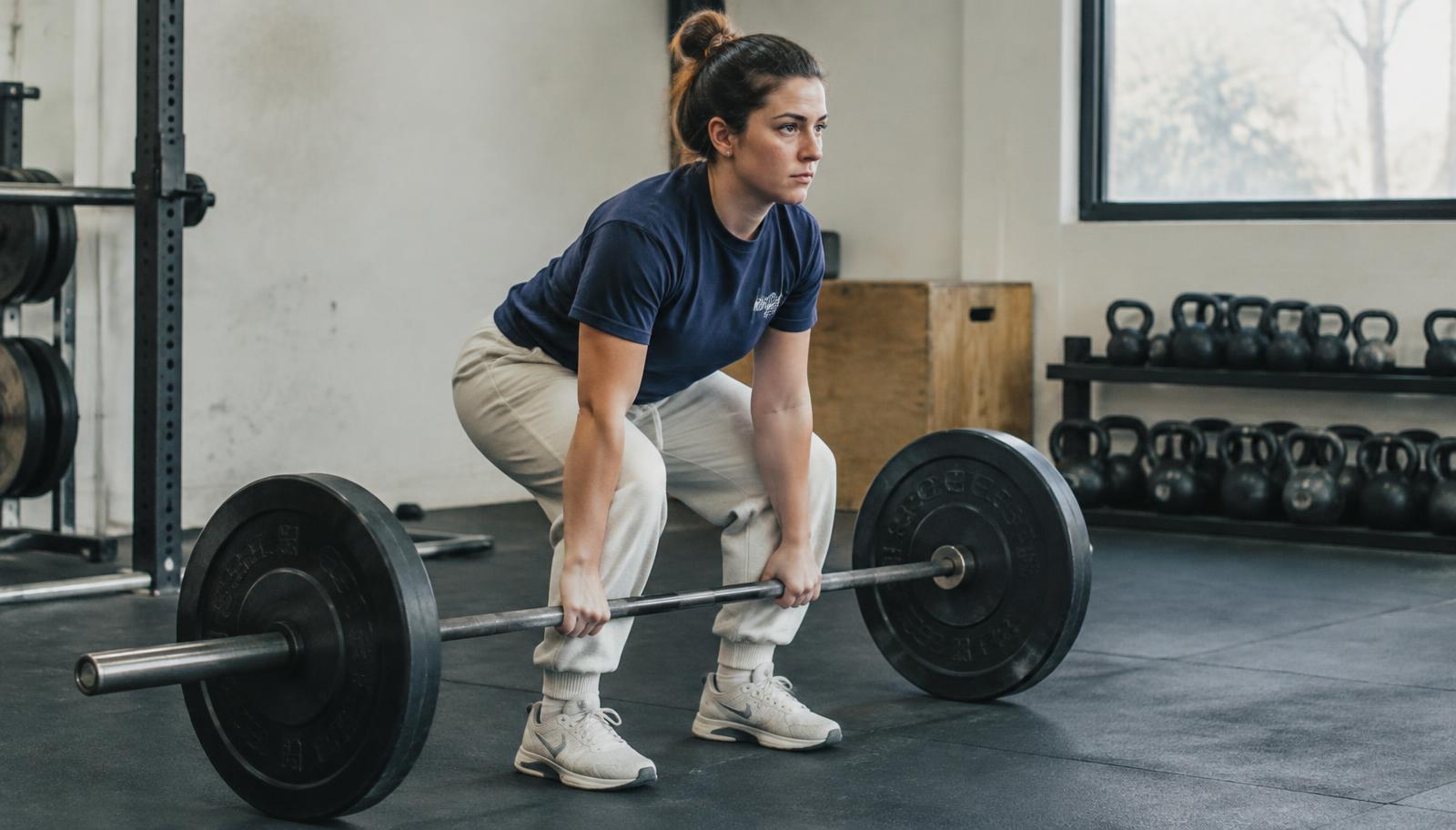
For a long time, conversations about women's bodies have been dominated by appearance: being smaller, leaner, slimmer, fitting a particular shape. Fitness can easily become another version of the same message — exercise to burn calories, change your body, take up less space.
But what if we changed the goal?
What if, instead of asking how little space we can take up, we asked how strong we could become? How much we could lift, how confidently we could move, and how well we could support our bodies throughout our lives?
Strength is not just an aesthetic. It's a capability — and one worth building.
Beyond appearance
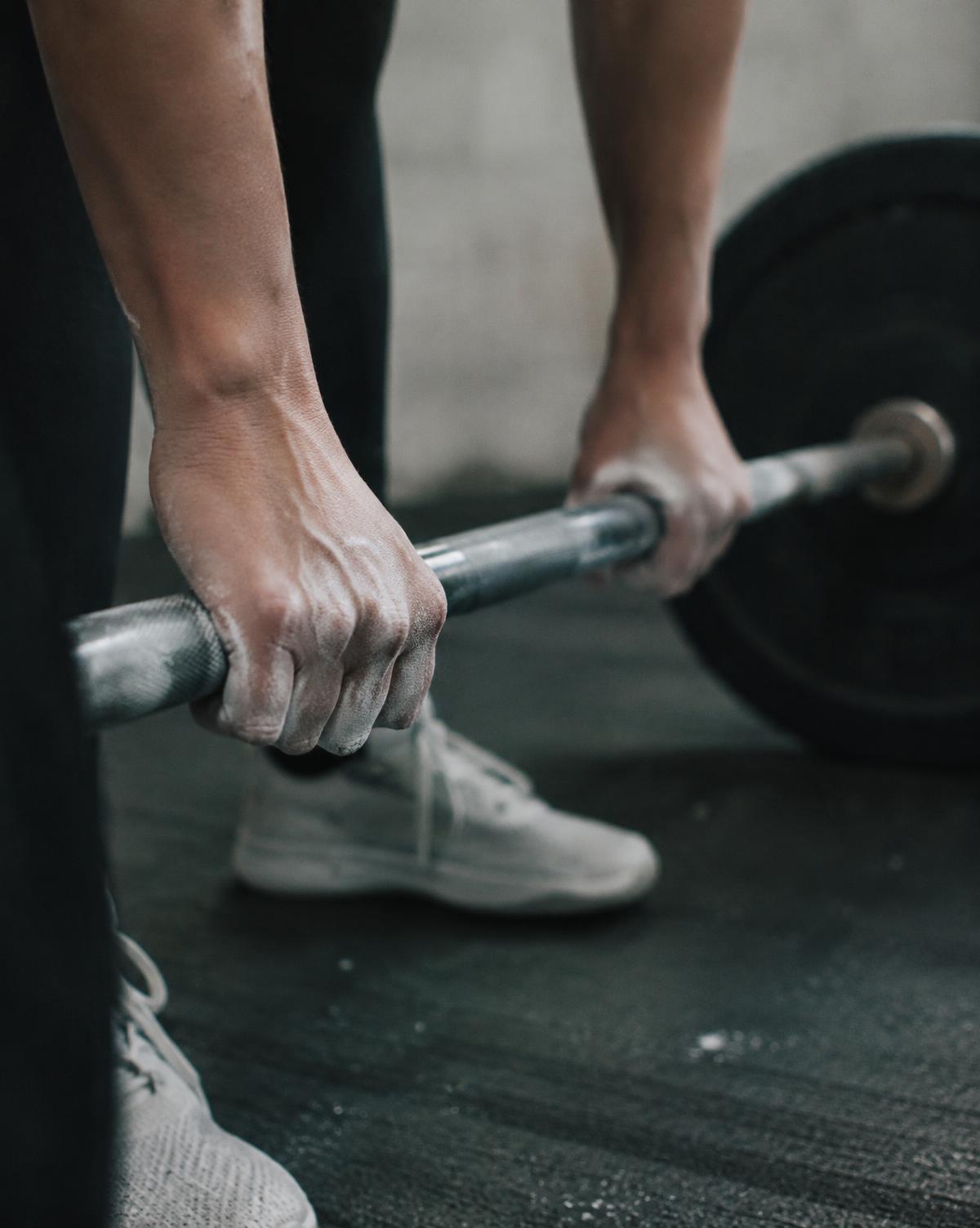
There's nothing wrong with caring about how you look. The problem is when appearance becomes the only measure of progress — or when women's bodies are expected to fit a narrow ideal.
Strength training offers another way to think about fitness. Instead of judging a workout by how many calories it burns, you can notice that a movement feels easier, that your technique is improving, or that you're lifting a weight that once seemed impossible.
Muscle is not something women need to fear. Building it is a normal adaptation to training, and the amount and rate of muscle growth vary with genetics, hormones, training, nutrition and time. You don't need to chase a particular physique to benefit from getting stronger.
You can train to feel more capable, to support a sport you love, to carry your shopping with ease, to feel steadier on your feet, or simply because discovering what your body can do is satisfying.
Your body doesn't have to look a certain way to deserve care. And strength doesn't have to be earned through appearance.
What strength gives you
More capability in everyday life

Strength training helps build and maintain muscle, making everyday tasks — lifting, carrying, climbing stairs, getting up from the floor — easier to manage. It can also support physical function as we age.
Progress isn't always dramatic. It might be carrying a heavy bag without struggling, feeling more stable during a hike, or having the energy and confidence to try something new. These are meaningful outcomes, even if nobody else notices them.
A foundation for long-term health
Muscle plays a role in movement, posture and physical function. Resistance training also places beneficial demands on bones, helping support bone strength. This becomes particularly important across the lifespan, including during and after menopause, when bone loss can become a greater concern.
UK guidance recommends muscle-strengthening activities involving the major muscle groups on at least two days a week for adults (UK Chief Medical Officers' physical activity guidelines). The NHS also identifies weight-bearing and resistance exercise as important for bone health (NHS: preventing osteoporosis).
Strength training isn't a guarantee against injury or disease, and it doesn't replace other aspects of health. It's one practical way to invest in the body that carries you through life.
The mental side of getting stronger
Training can offer more than physical changes. Setting a goal, practising a skill and gradually seeing progress can build a sense of competence and self-trust. For some people, exercise can also support mood and wellbeing, although individual experiences vary.
There's something powerful about discovering that you can do more than you thought — not because your body has become more acceptable to someone else, but because you've developed a new ability.
A difficult set, a new movement or a personal best can become evidence of your own progress. You don't need to be the strongest person in the room. You just need the opportunity to keep learning what you're capable of.
Strong now, strong for the future

Strength is not only about the present version of you. It's also about giving your future self more options.
Muscle mass and physical function naturally change with age. Building and maintaining strength can help preserve independence and make it easier to continue doing the things that matter to you — travelling, playing sport, gardening, dancing, carrying children, or simply moving through daily life with confidence.
Bone health matters here, too. Resistance and weight-bearing exercise can help maintain or improve bone density, although the effects depend on the type of exercise, its intensity, consistency and individual circumstances.
This isn't about trying to stop ageing or expecting your body to stay the same forever. It's about supporting it as it changes. Stronger muscles, better movement skills and habits you can sustain are valuable at every stage of life.
And strength doesn't need to look like one thing. It can mean lifting a barbell, using resistance bands, working with dumbbells, or learning how to control your own bodyweight. The best approach is one that challenges you appropriately and fits your needs.
You don't have to start strong
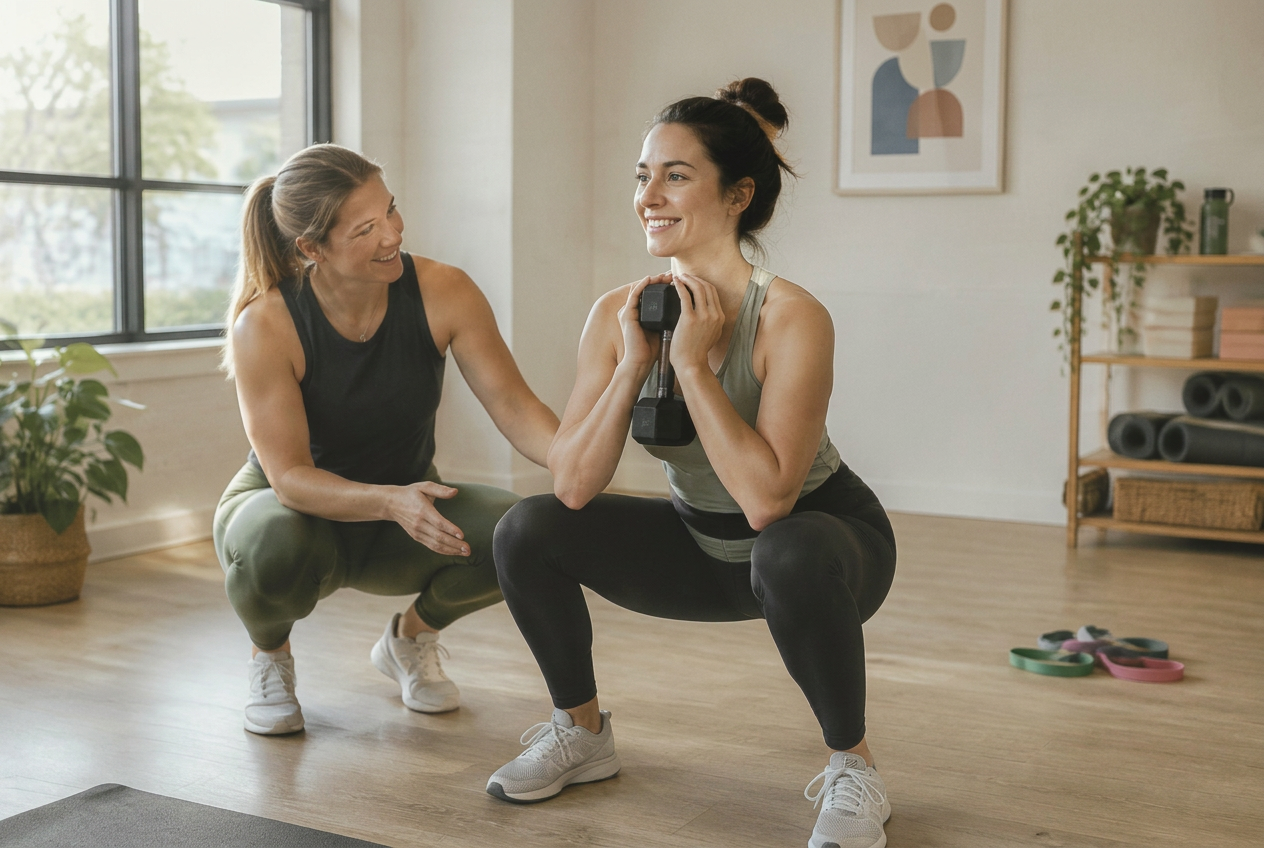
If weights feel intimidating, you're not alone. Gyms can be full of unfamiliar equipment, confident-looking people and messages that make fitness seem more complicated than it needs to be.
You don't need to know everything before you begin. Start with movements you can do with good technique, learn gradually, and increase the challenge as you become more comfortable. A qualified instructor can help you learn how to use equipment safely, and exercises can be adapted to different abilities and starting points.
You also don't need to train every day or lift the heaviest weight possible. Consistency matters more than proving yourself in a single session. Rest, nutrition and recovery are part of getting stronger, too.
You might begin with squats to a chair, wall press-ups, resistance bands or a few simple exercises with light dumbbells. As your confidence grows, you can decide what you want to work towards. Let your goals evolve with you.
Most importantly, give yourself permission to be a beginner. Strength is built through practice, not something you have to arrive with.
Make strength your own
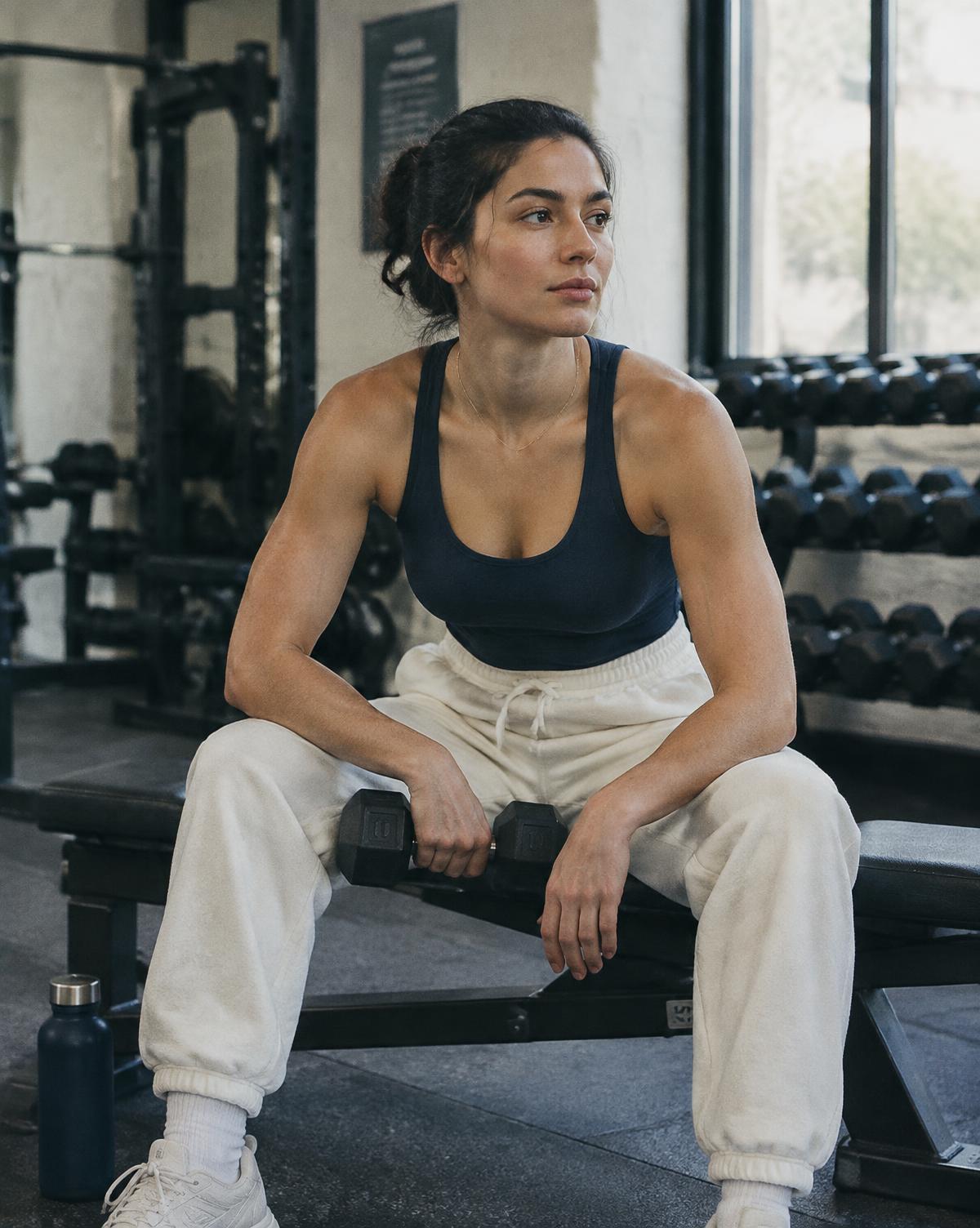
Women deserve to move through the world feeling capable, resilient and at home in their bodies. We deserve fitness messages that go beyond shrinking ourselves, and goals that reflect all the things our bodies make possible.
Lift for the strength to do more. Lift for the health you want to carry into the future. Lift for the satisfaction of learning a skill, meeting a challenge or surprising yourself. Lift because your body is worth investing in — not because it needs to be fixed.
You don't have to look strong to be strong. You don't have to look a certain way to begin. And you don't need anyone else's permission to take up space.
Strength is a superpower — not because it makes you look a certain way, but because it helps you live, move and choose with greater confidence.
Sources and further reading
- UK Chief Medical Officers. Physical activity guidelines.
- NHS. Osteoporosis prevention: exercise and bone health.
- UK consensus statement on physical activity and exercise for osteoporosis. British Journal of Sports Medicine.
- Goodpaster, B. H. et al. (2008). Effects of physical activity on strength and skeletal muscle fat infiltration in older adults: a randomized controlled trial. Journal of Applied Physiology.