Draft · For Alaina’s review
Beyond the Drink
Exploring alcohol, wellbeing and the possibilities beyond the glass.
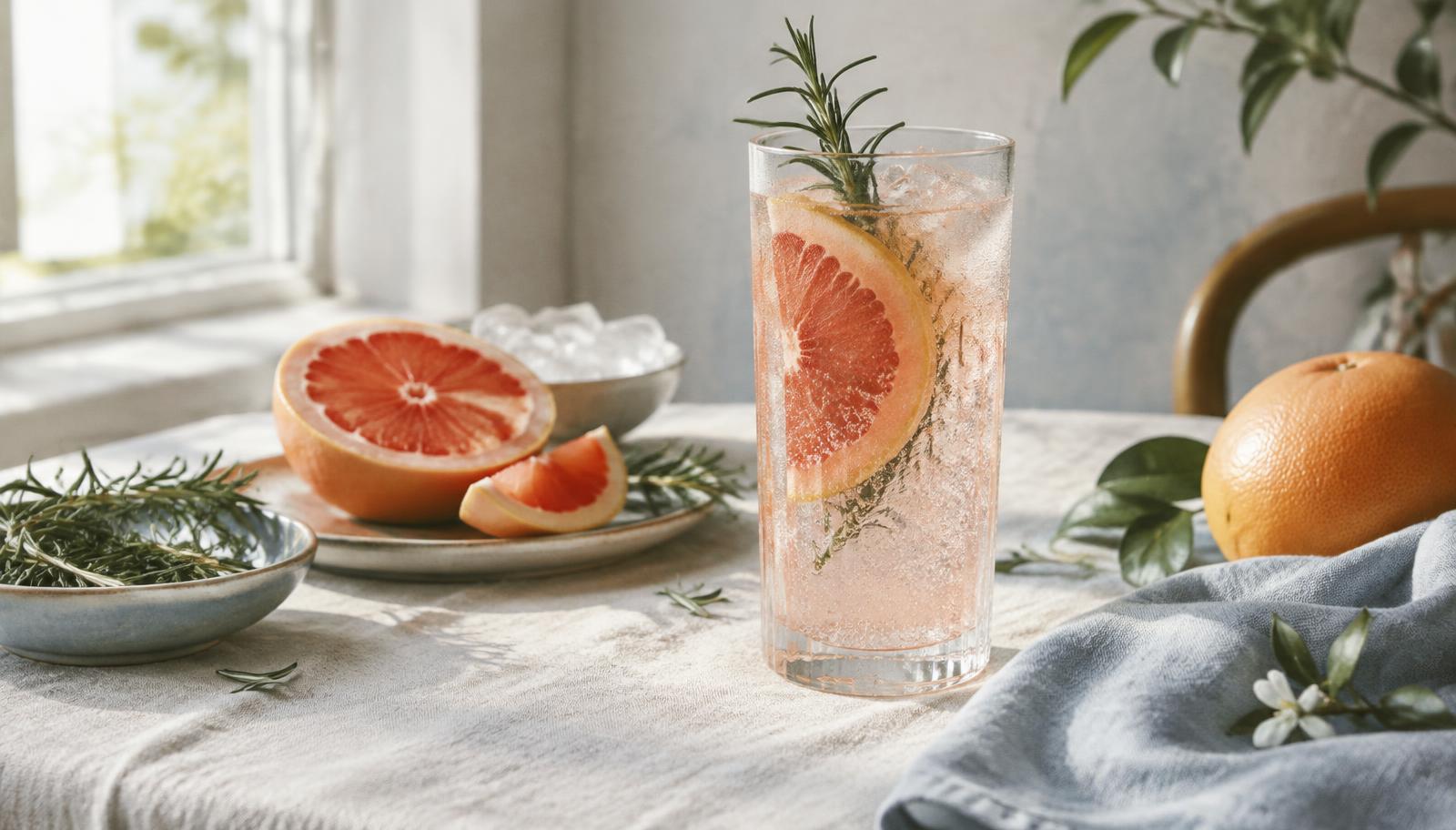
Alcohol can be about much more than what's in the glass. It can be the confidence to start a conversation, the feeling of letting go after a difficult week, the excitement of a night out or the comfort of a familiar ritual.
For some people, it makes social situations feel easier. For others, it's about flavour, celebration, relaxation or simply joining in. These experiences are real, and understanding them matters if we're going to explore what life beyond alcohol could look like.
Because the question isn't just what can I drink instead? It's also: what am I looking for when I reach for a drink — and are there other ways to find it?
Rethinking the ritual
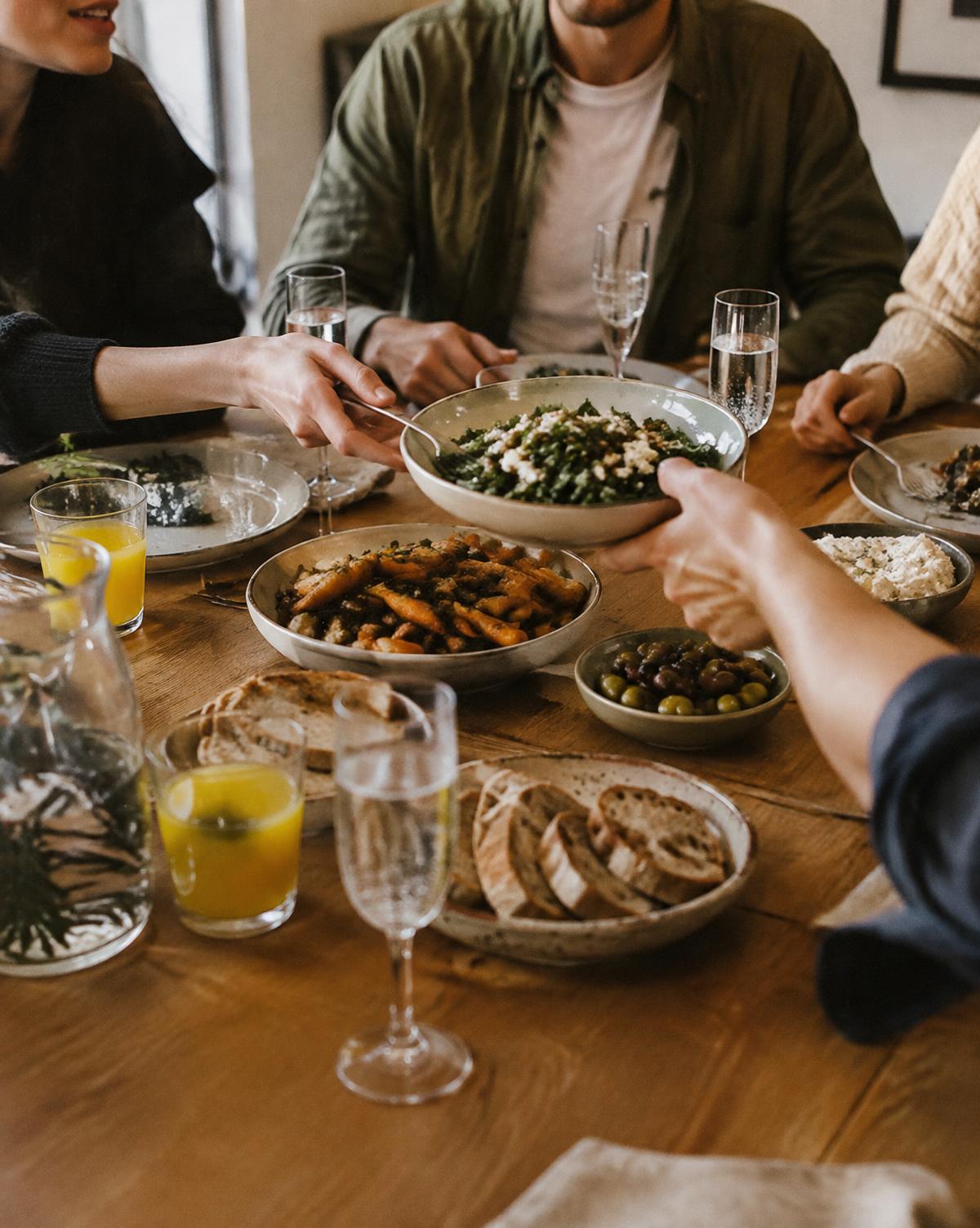
Alcohol can change how we experience a situation. It may make some people feel more relaxed, sociable or less self-conscious, at least in the moment. Research has explored how alcohol can influence social interaction and feelings of connection, although these effects vary between people and circumstances (Sayette et al., 2012).
That helps explain why simply swapping an alcoholic drink for a glass of water doesn't always feel like an equivalent experience. Sometimes we're looking for a particular flavour or ritual. Sometimes we're looking for a shift in mood, a little more confidence, or a way to feel part of the group.
But alcohol's effects come with trade-offs. The same changes that can feel like lowered inhibitions can also affect judgement, coordination and decision-making. And the feeling of confidence isn't always the same as being more comfortable or connected.
Recognising what we enjoy about drinking gives us a more interesting starting point than treating every drink as interchangeable. Perhaps we can keep the ritual, explore new flavours, find different ways to connect — or discover alternatives that offer a distinct experience of their own.
What the evidence says
Exploring alternatives doesn't require us to label alcohol as entirely good or bad. It means understanding the evidence and making informed choices.
Alcohol is a recognised cause of several cancers, and the International Agency for Research on Cancer classifies alcoholic beverages as carcinogenic to humans (IARC, 2024). Research into cardiovascular outcomes is more complex, and findings vary depending on the outcome studied and the methods used. A large 2023 meta-analysis found no statistically significant reduction in all-cause mortality for occasional or low-volume drinkers compared with lifetime non-drinkers and former drinkers (Zhao et al., 2023).
Alcohol can also affect sleep. A systematic review found that even lower doses can disrupt aspects of rapid eye movement (REM) sleep, with greater disruption at higher doses (Gardiner et al., 2025).
In the UK, the NHS advises people who drink regularly to keep within 14 units a week, spread over three or more days. This is lower-risk guidance, not a guarantee of no risk (NHS alcohol advice).
For people who drink heavily or may be dependent on alcohol, stopping suddenly can cause dangerous withdrawal. Medical advice is important before making a sudden change (NHS alcohol-use disorder guidance).
The evidence is an important part of the picture. But beyond understanding the risks, there's a whole world of drinks, ingredients and experiences worth discovering.
A world beyond alcohol
The alternatives aren't limited to soft drinks or trying to recreate a gin and tonic without the gin. There's a growing space for drinks designed around flavour, botanicals and the experience they offer.
Familiar rituals, new possibilities
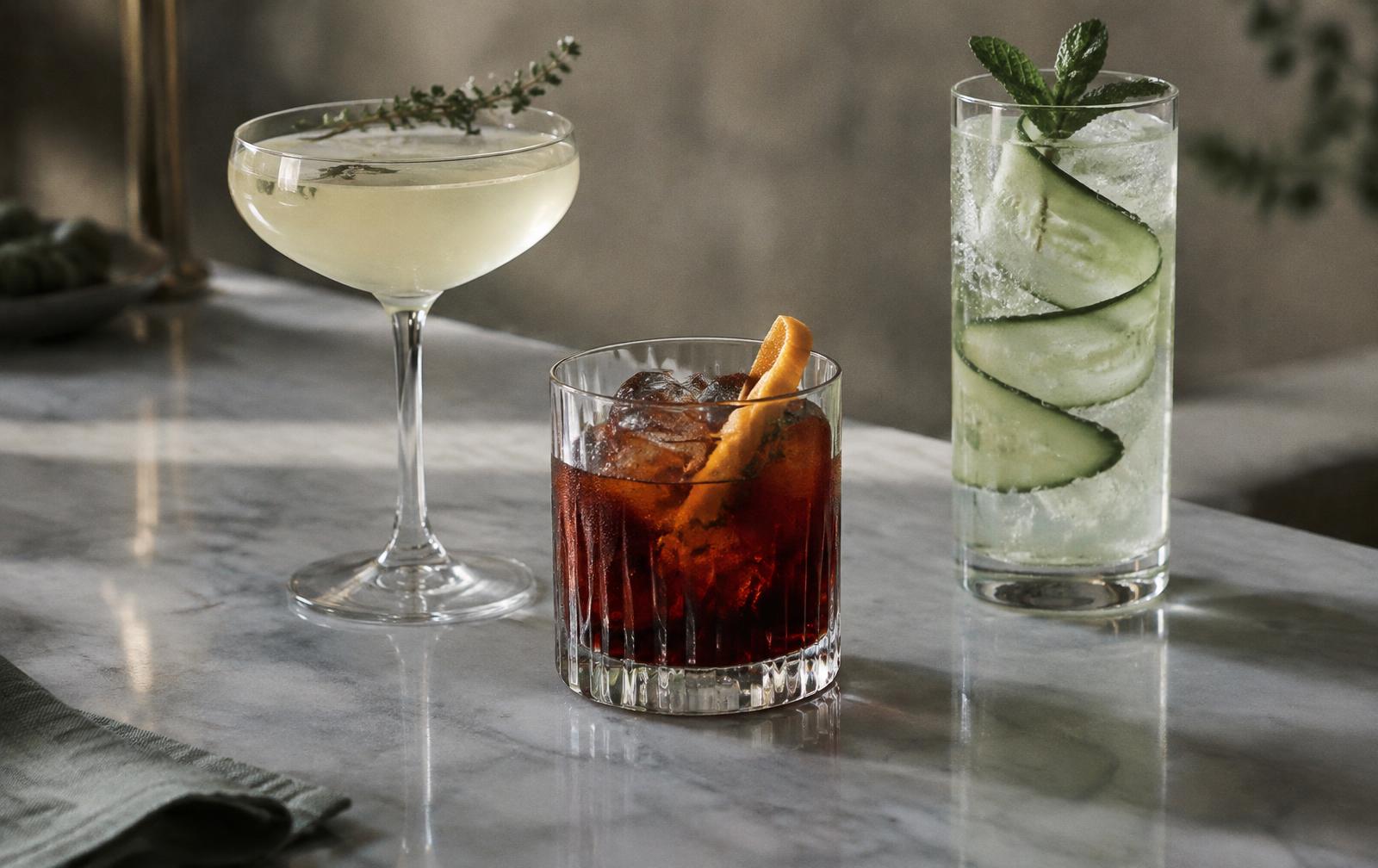
Alcohol-free beers, wines, spirits and cocktails can preserve some of the familiar parts of drinking: the taste, the glass, the preparation and the feeling of marking an occasion. For people who enjoy those rituals but want to avoid alcohol, they can offer another option.
Brands are also exploring a different idea: drinks that don't simply imitate alcoholic ones, but are designed around distinctive botanical blends and a particular drinking experience.
One example is Three Spirit, which makes alcohol-free drinks using botanical ingredients. Depending on the product, these can include ingredients such as tea, cacao and other plant extracts. The idea is to create a drink with its own flavour and character, rather than merely reproduce a conventional spirit.
Some of these products are marketed around how their ingredients might make you feel. It's worth approaching those claims with curiosity and a little caution: evidence for the effects of adaptogens and many other botanicals is still developing, and effects can vary. A botanical drink should not be assumed to produce the same effects as alcohol, to reliably change confidence or mood, or to be risk-free simply because its ingredients are natural.
Still, this is an interesting direction for drinks culture. It asks a different question: could an evening drink be designed around flavour, atmosphere and a distinct sensory experience, rather than alcohol itself?
Discover drinks in their own right
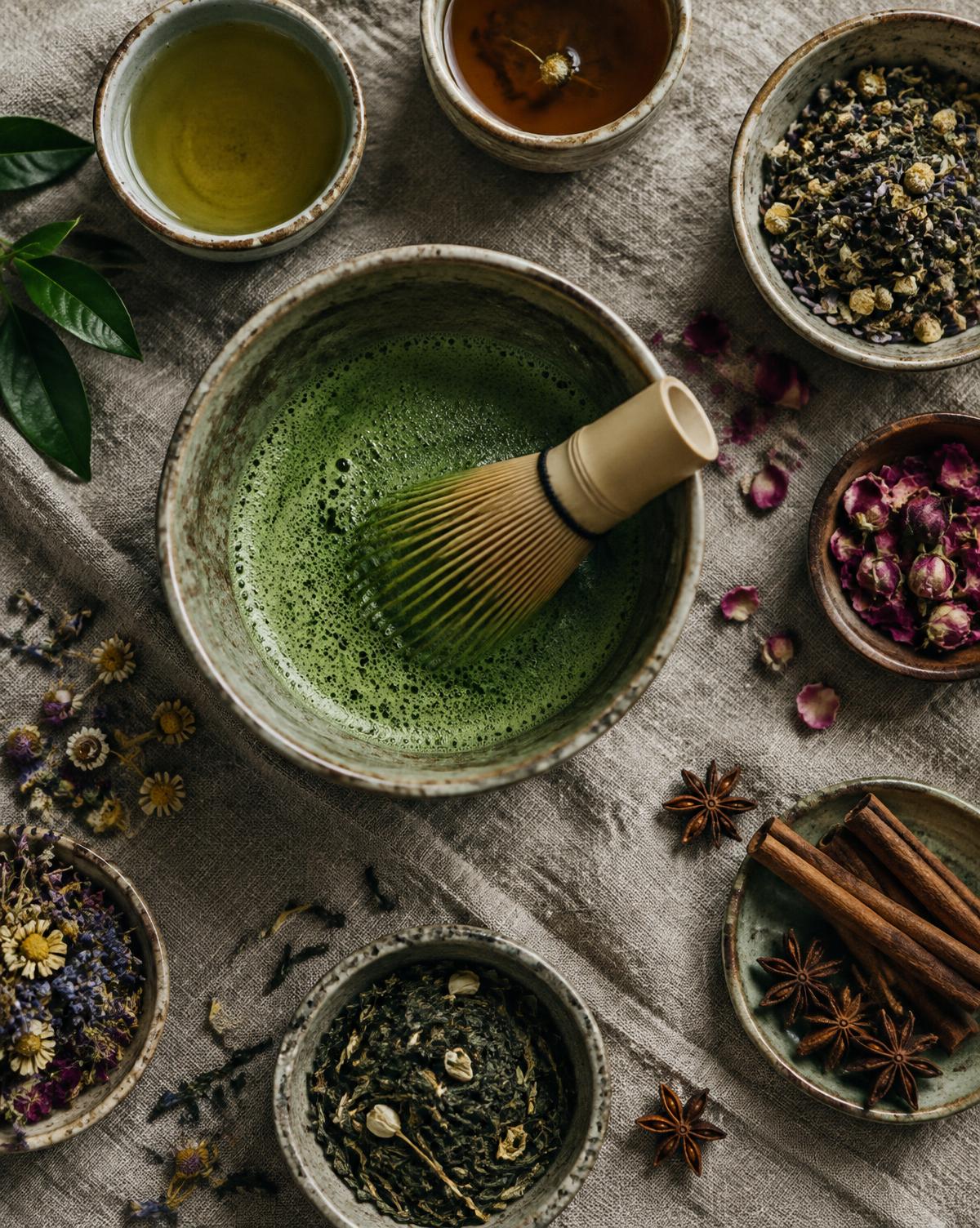
There is also a world of drinks that don't need to imitate alcoholic ones at all.
Matcha, speciality teas, herbal infusions, botanical blends and spiced drinks each offer their own flavours and traditions. Coffee and tea can be explored through their origins and preparation methods; herbs, flowers, spices and citrus can introduce floral, bitter, earthy or refreshing notes.
Different cultures have long-established drinking traditions that bring people together, accompany meals or create moments of pause throughout the day. Exploring them can be a way to discover new tastes as well as the stories and customs around them.
The point isn't that every alternative is automatically healthier. It's that drinks can be interesting, pleasurable and meaningful for many reasons beyond their alcohol content.
Make it your own
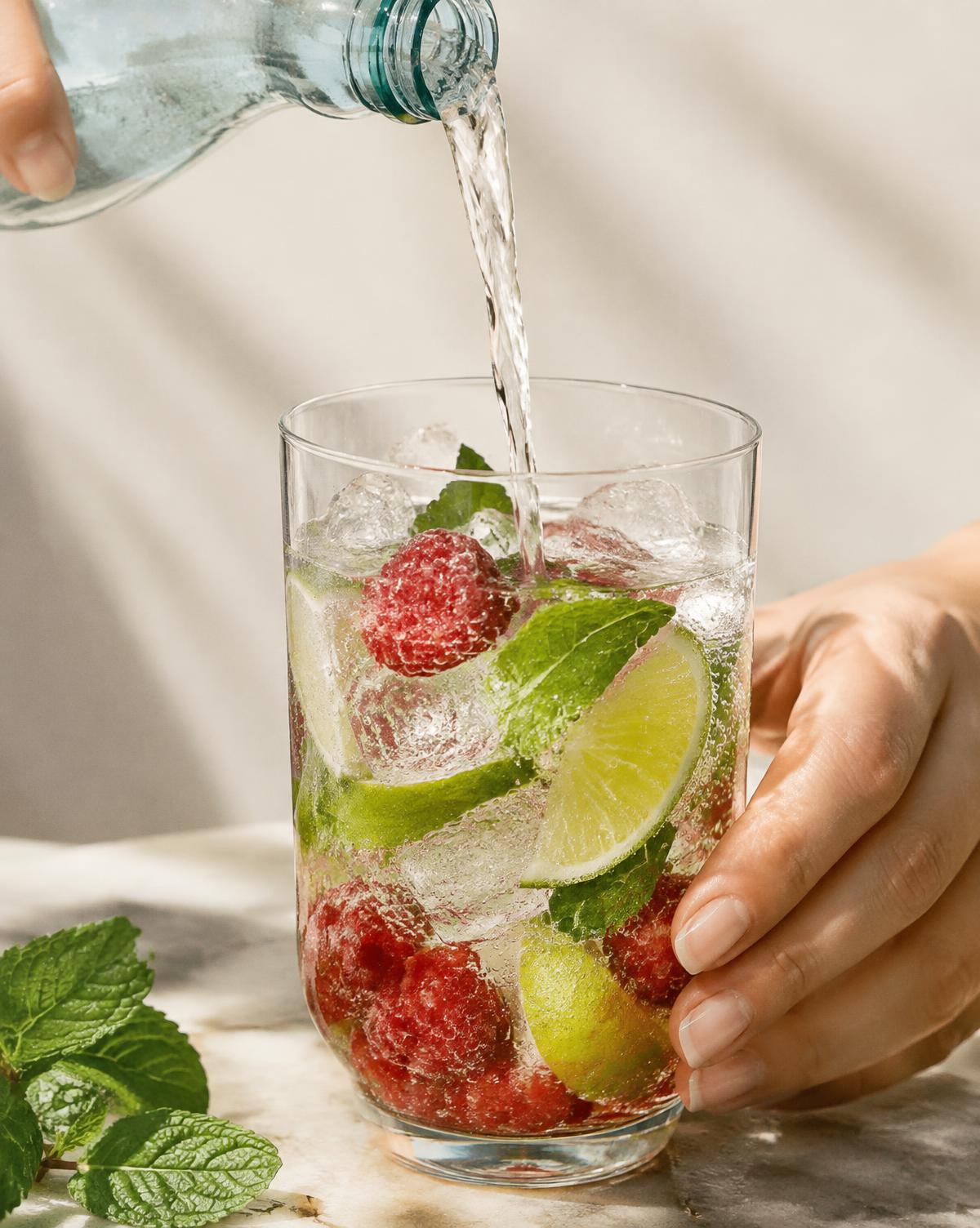
Exploration doesn't need to be complicated. Sparkling water with citrus, fresh herbs, crushed berries or warming spices can become something distinctive. Changing the balance of sweetness, acidity, bitterness and texture can turn a simple drink into something you genuinely look forward to.
Start with what you enjoy. Is it something crisp and refreshing, rich and aromatic, bitter, fruity or sparkling? Do you like a drink to accompany food, to sip slowly, or to make an occasion feel special?
And if what you're looking for is confidence or connection, the drink is only one part of the picture. A familiar setting, a shared activity, a conversation starter or simply spending time with people you feel comfortable around can help create those moments, too. No drink can guarantee that feeling — but there are many ways to make social experiences feel more inviting.
A different drink doesn't have to be a lesser experience. It can be an experience of its own.
Find what you enjoy
There isn't one right way to approach alcohol. Some people may want to drink less; others may be curious about alcohol-free options, interested in new flavours, or simply looking to add variety to their routines.
The point isn't to replace one set of rules with another. It's to make room for curiosity and choice.
Try something unfamiliar. Explore a drink you've never tasted. Rethink a ritual you've always taken for granted. Notice what you enjoy about the experience, rather than assuming the alcohol is what makes it worthwhile.
Perhaps moving beyond alcohol isn't simply about drinking less. It's about discovering more: more flavours, more rituals, more ways to connect and more freedom to decide what you enjoy.
Sources and further reading
- Sayette, M. A. et al. (2012). Research on alcohol, emotion and social bonding. Psychological Science.
- International Agency for Research on Cancer (2024). Alcohol and cancer.
- Zhao, J. et al. (2023). Meta-analysis of daily alcohol intake and all-cause mortality. JAMA Network Open.
- Gardiner, C. et al. (2025). Systematic review of alcohol's effects on sleep. Sleep Medicine Reviews.
- NHS. Alcohol units and lower-risk drinking guidance.
- NHS. Alcohol-use disorder and withdrawal.
- Three Spirit. Products and ingredients.